

CIA Brief | 2022 Summer
President’s Corner
Kelly Upham
The CIA is ready for summer! Our park is all spruced up and our parking lot is open on weekends now, switching to seven days a week by the end of June. Our parking lot renovations are just about complete (more on that below) and the Little Free Library is chock full of good reads. Thanks to those of you who stopped by for our Opening Day celebration this past weekend. It was nice to meet you and enjoy cookies, pizza, and lemonade!
Every summer we welcome the opportunity to employ local students as our summer parking lot attendants (“CIA Agents” 😊) so when you park, say “Hi” to Ella, Brady, Alex, Colin, Shea, and Francesca. One or two of them will be on duty at the entrance to the parking lot during our regular operational hours. Mike Lavender is overseeing the team again this year. I would also like to welcome to the board Pete Bowen and Krissy Sgambellone, both of whom were voted in during the CIA’s annual meeting in May. Krissy has been volunteering with us for over a year and Pete rejoins us after serving for many years on the board. We are happy to have them both with us! Just a reminder about the Summer Solstice event, led by Lisa and Kampa, bright and early on Tuesday, June 21 at sunrise – which will be at 5:07 a.m.!
I hope everyone has an enjoyable summer with plenty of walks or beach time at Preston Beach!
Parking Lot Update
Bruce Greenwald
Well, we made it through another winter. The park survived well this year, but not without incident. Our grounds and gardens crews have been busy making repairs to the park from the ravaging of the seasonal storms. The three standing stones and the platform at the top of the stairway to the beach have been put back in place. Sand that had been washed out has been replenished to provide the base layer for the plank walkways. The dog fountain has had its faucet replaced and is now turned on and fully functioning for the season. Grasses from last season have been cut back to make way for this year’s new growth.
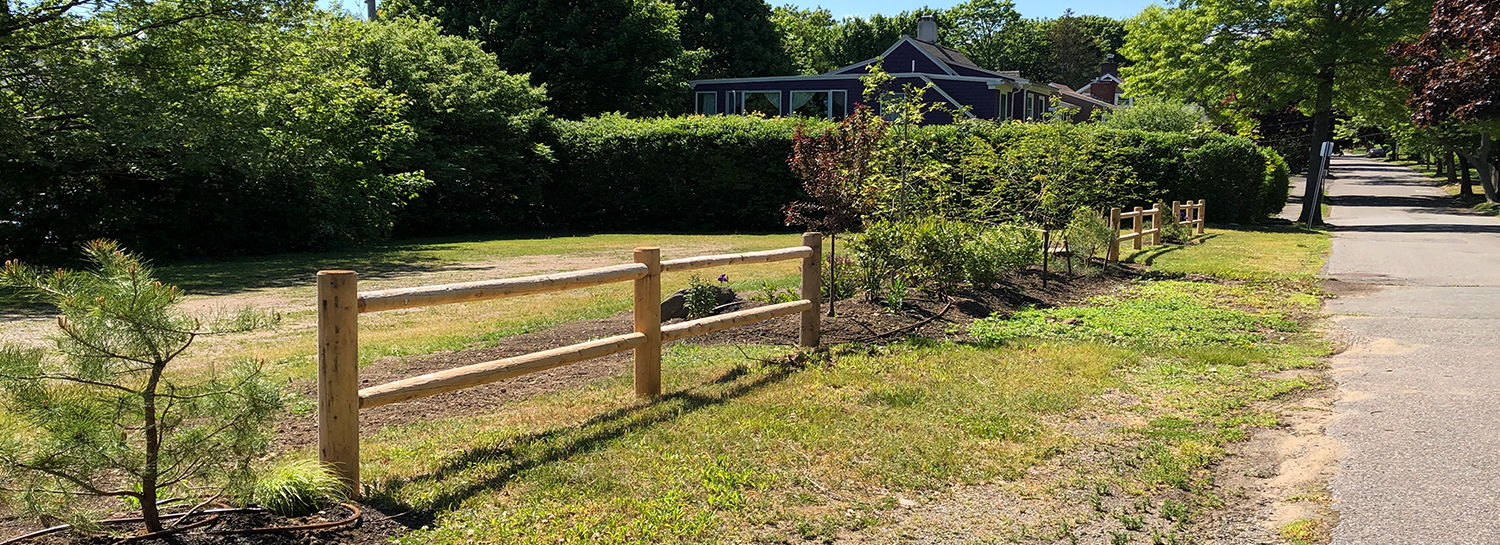
Along with the repairs, this year we set out to provide some upgrades to the parking lot on the Marblehead side along Seaview Avenue and Preston Beach Road. The Lynn-pack paving surface has been replenished. The old steel post-and-chain fall fence that had surrounded the parking lot has been removed. In its place are new sections of cedar post-and-rail fence, and a series of new planting areas will infill the gaps in the fence sections. These improvements will allow access to the parking lot by pedestrians at multiple locations while securing the main entrance point on Seaview for cars only. At the middle of the upper section of the parking lot, along Preston Beach Road, an expanded garden area with a bird-themed focus is in progress. You may see some bird houses growing out of the garden here in the coming months. You will also see our butterfly and pollination gardens come back to life and expanded.
We look forward to having the community return for the summer months and hope everyone will enjoy our new look.
The Tamarisk and the Sumac
Lynn Nadeau
We have two particularly interesting types of trees at the park: one is an immigrant, and one is native. One is a-buzz all spring, and the other is a silent shade provider.
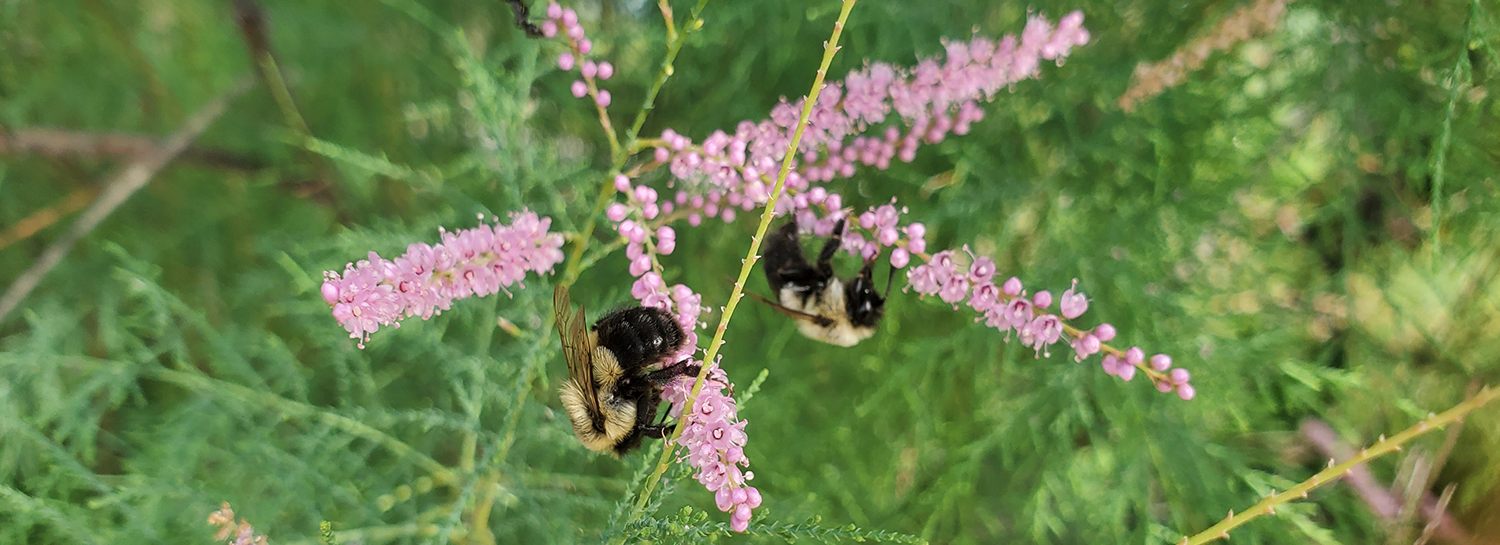
The bees buzz around the billowing pink clouds of our two tamarisk trees from March to September. During those months, most people avoid getting close, but still take joy in the awesome beauty they display. We placed these two trees on the north edge of the park and have watched them flourish.
Also known as saltcedar, tamarisks are saltwater-loving transplants from the faraway shores of the Mediterranean, Africa, and Asia. They have been known and loved since ancient times for the white substance they exude called manna, which is used as a food source for those living in the desert. Tamarisks are mentioned three times in the Bible: Abraham planted one, Hagar rested with baby Ishmael in its shade, and King Saul held court underneath a tamarisk.
During the night they drink up the moisture in the air through their feathery leaves. Sometimes you may see damp spots beneath them in the early morning that they released the night before. Of course, like all plants, they use sunlight to turn carbon dioxide into sugars and oxygen and take in oxygen through their deep taproots both day and night.
As lovely as they are, when we planted the tamarisks, we were unaware that they are invasive in our West and crowd out native plants there as they drink deeply into the aquifer. Robert Dempster, our landscape designer, points out, “Here in Massachusetts they are controlled by our cool winter temperatures, so there’s no risk of them spreading uncontrollably.”
On the other side of Beach Bluff Park, near the large right-of-way, our new grove is shaded by a thicket of sumac trees that were left in place when we designed the park originally. Sumac is native to our area, unlike the tamarisk. Native Americans used the fruit to make a citrus-flavored drink, smoked the leaves, and used the stems to make a yellow dye. Sumac grows almost anywhere and can adapt to just about any type of condition except permanently wet soils. Sumacs are a great shelter for wildlife. Many birds eat the berries, while deer and rabbits eat its leaves.
As you stroll through the park, you might stop and appreciate the tall, spindly sumac with its large glossy leaves and the very different plump tamarisk with its needle-like leaves. Each, in its way, contributes to the glorious park that we transformed in 1999 from a fenced-in, unused area into a little Eden.
Stealth Invader
Don’t let your garden get swallowed up by the black swallow-wort!
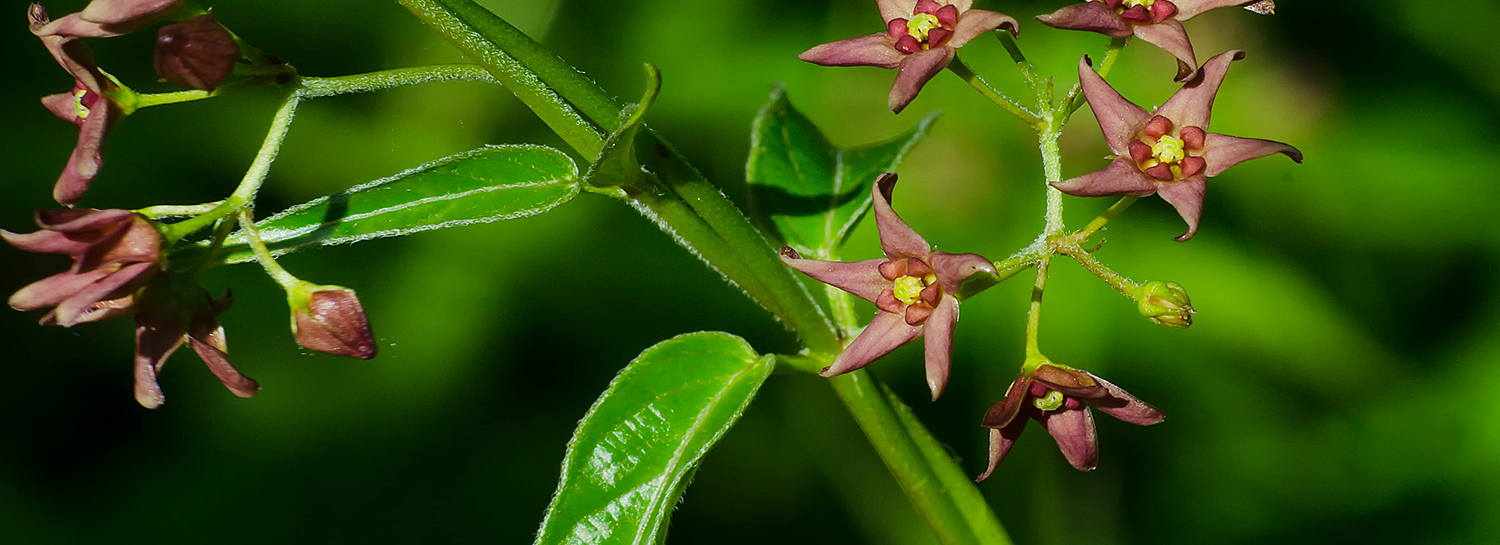
The herbaceous perennial known as black swallow-wort is one of many relative newcomers to these shores. This vining plant, thought to have been brought over to the U.S. from the Mediterranean coast as an ornamental, has found conditions here quite hospitable and can be found in abundance.
We have found this plant in our park and lot, and our gardening team is making efforts to keep it in check so our gardens can support a flourishing variety of flora and fauna – including monarch butterflies. The vines threaten monarch butterflies and songbirds by overtaking the native plant species they rely upon. They tend to crowd out milkweed, the only plant where monarchs lay their eggs. Monarchs will mistake the swallow-wort for milkweed and lay their eggs there, but the larvae will die.
In New England, black swallow-wort shoots typically emerge in spring and flower in June or July. Seed pods form and seed broadcast begins in late July to early August, continuing through October in some areas. While the shoots die to the ground in winter, the plants survive the colder months through both their seeds and rhizomes.
If you, too, find these plants to be a bit too robust in your garden, here are some tips for keeping them in check.
First, how do you identify the black swallow-wort? Look for young plants in spring sporting shiny green leaves in pairs. The plants will then bloom with purple star-shaped flowers and grow spaghetti-like roots, soon to be festooned with seed pods resembling green chili peppers. The black swallow-wort loves chain link fences and wooded areas in addition to gardens and shrubs.
Now that you know what you’re looking for, you’ll probably start to notice the vines everywhere. Its extensive root systems make the plant difficult to dig out completely, but you can pull off the green seed pods before they turn brown and disperse, thus disrupting the spread. Start looking for the seed pods in June. Collect the pods into a sealed bag and dispose of them in the trash. Do not put out with the compost as they will not be destroyed through the composting process and will eventually find their way back into someone’s backyard—maybe even yours!
For more information:https://somervilleurbanag.tumblr.com/image/185893344018
Q&A: Gino Cresta, Department of Public Works, Town of SwampscottSheryl Levenson
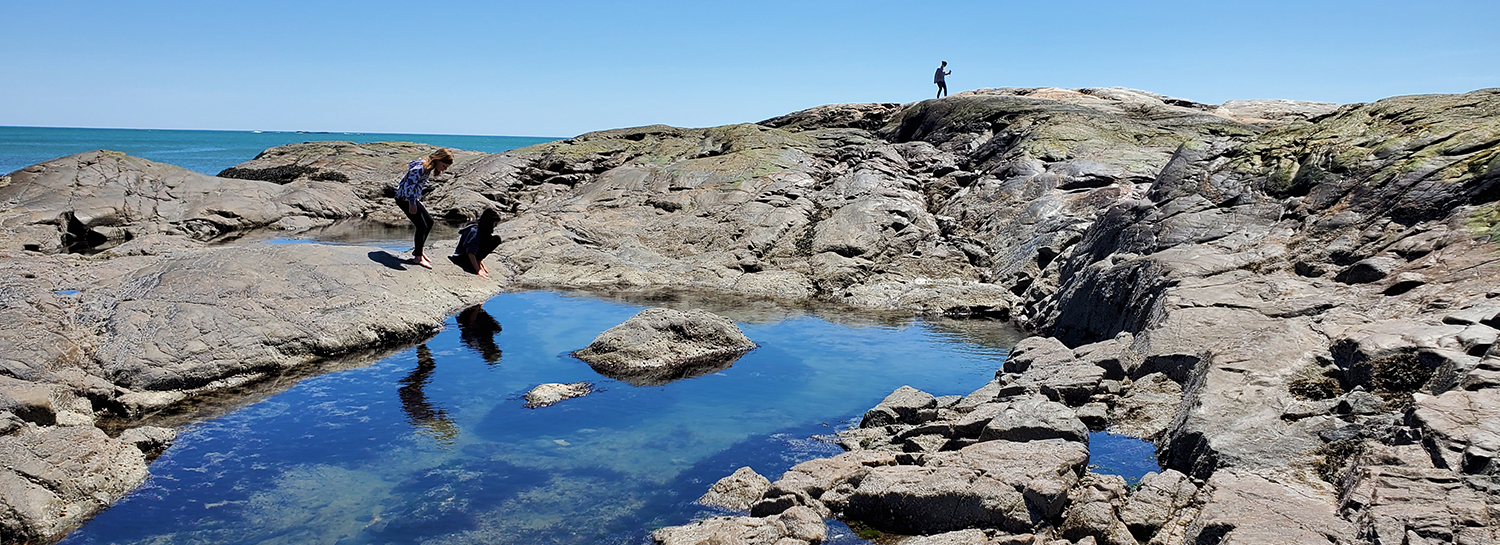
It takes a village… or a few. For this month’s explainer, Sheryl Levenson interviewed Gino Cresta, Director of Public Works for the Town of Swampscott, about the 5.2 million dollars awarded to Lynn and Swampscott to clean up King’s Beach. Two-and-a-half million dollars went to each community and $200,000 was given to Swampscott to repair a pump station. The grant was awarded by the State ARPA (American Rescue Plan Act) relief package.
What is a lift station?
Wastewater lift stations are facilities designed to move wastewater from lower to higher elevation, particularly where the elevation of the source is not sufficient for gravity flow.
What are the benefits of using a lift station in a sewage collection system?
Lift stations are necessary to pump wastewater from lower to higher elevation.
Can you tell us about the clean-up of Stacey’s Brook and how the 2.5 million dollar grant will be spent?
The grant will be spent continuing to cement line the sewer mains in the Stacey’s Brook catchment area. The Town has spent close to seven million dollars to date lining sewer mains. The logic behind lining the sewer mains is to keep them from exfiltrating and then subsequently infiltrating into the drain lines, which discharge onto King’s Beach. There has been preliminary communication with the Lynn Sewer and Water Commission about potentially installing a chlorination/dichlorination station near the outfall as a temporary mitigation. This measure would have to be approved by MassDEP, which may or may not happen.
How will the $200,000 grant for a pump station be used?
As for the $200,000 grant for lift station upgrades, these funds will be used foremost to install wireless communication from the seven remote lift stations to the main pump station on Humphrey Street. However, the majority of the funds will be directed towards the replacement of the control panels at the Windsor North and Windsor South lift stations.
How will these repairs benefit the discharge?
After years of both dye and smoke testing, no direct illicit connections to the drainage system were found. Working with the Town’s consultant, it was determined that the source of the illicit discharge onto King’s Beach was wastewater exfiltrating cracked/broken sewer pipes and infiltrating the drainage pipes. By lining the sewer pipes, the wastewater will now be contained until it reaches the Humphrey Street Pump Station, where it will then be pumped to Lynn for treatment.
Summer Solstice at the Park
James Keating, the Marlinspike Sailor of Marblehead
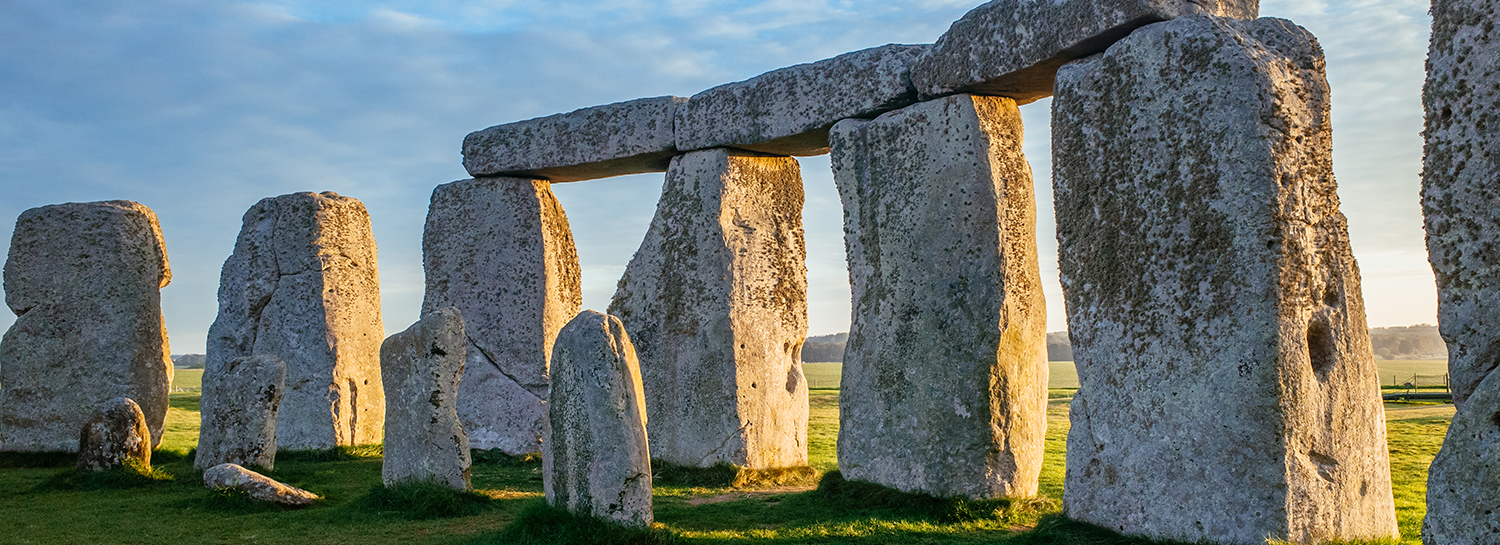
About 5,000 years ago our Neolithic predecessors built on the Salisbury Plain in England the edifice known as Stonehenge. But what does Stonehenge in England have to do with the Sun Circle in the USA?
If you stand in the center of Stonehenge and look Northeast through the stone arches you see the Heel Stone, which points to where the sun rises on June 21.
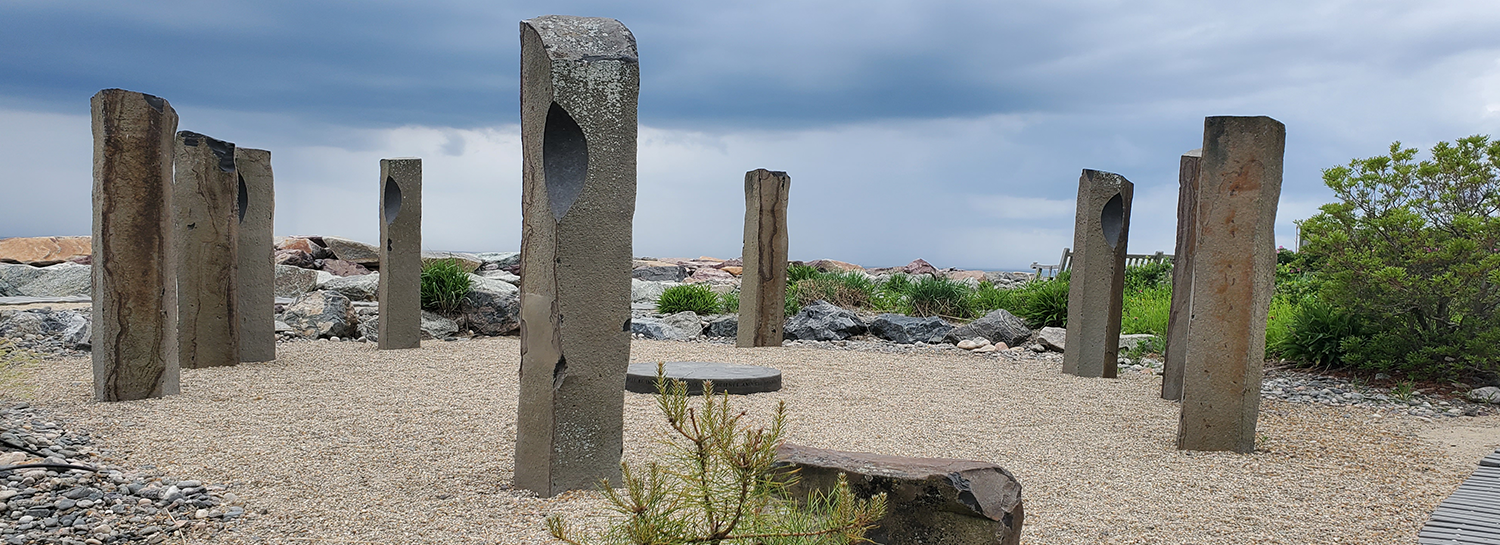
If you do the same thing at the Sun Circle and look Northeast, the basalt column points to where the sun rises on June 21.
If you do a little trigonometry on your cell phone you find something very interesting.
Stonehenge: 51.2* Latitude North. Azimuth of Sunrise: 50*
Sin= Cos Latitude x Cos Azimuth
Sin= Cos 51.2* Lat N. x Cos 50*
Sin= .6266 x .6427
Sin= .4027
2nd function of Sin of .4027= 23.7*
Sun Circle: 42.5* Latitude North. Azimuth of Sunrise: 56.4*
Sin= Cos 42.5* Lat. N x Cos 56.4*
Sin= .7372 x .5533
Sin= .4080
2nd function of Sin of .4080= 24*
Both angles are the same (within the margin of error), but they are from different places on Earth. Why? If you know the answer, come and share it with us at the Sun Circle on June 21. If you don’t know, come and find out the answer.
Editor’s note: We will gather for our annual ceremony honoring the Summer Solstice at the Sun Circle at Beach Bluff Park at 5:07 a.m. on Tuesday, June 21. Hope to see you there!