

CIA Brief | 2022 Spring
President's Brief
Kelly Upham
president@ciabeachbluff.org
As Spring approaches, we look forward to planting flowers in the park, doing renovations in our parking lot and welcoming you to the beach! Your memberships will expire on 3/31 and you will receive an email notification with a link to renew…we hope you do! Memberships are $75 again this year and you can pick up your stickers once the agents are at the lot, weekends between Memorial Day and the Fourth of July then 7-days a week through Labor Day (weather permitting).
Time passes and seasons change despite the challenges we face here on our little planet. I hope you can enjoy some peace at the Sun Circle for the Spring Equinox sunrise ceremony on March 20th led by Lisa and Kampa (more in this Newsletter about them).
Welcome to Lisa Kawski & Kampa Vashi Deva
Roberta Chadis
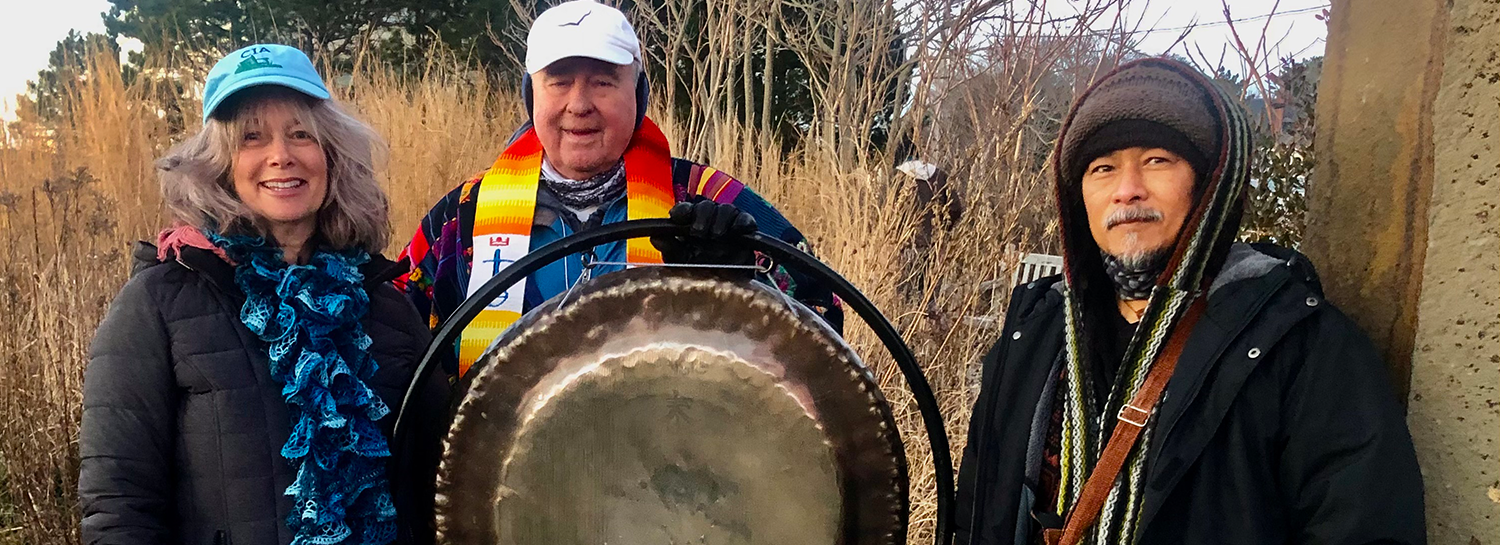
Spring is a time of renewal, rebirth, and regrowth. What a perfect time to welcome our new Seasonal Ceremonial Leaders, Lisa Kawski and her partner Kampa Vashi Deva, as we gather to welcome spring at our Sun Circle. Our treasured leader, Don Orne, has retired after 10 years along with his unique title of “Gong Master.”
Although many of you may have met Lisa and Kampa at the winter solstice celebration, we want to share a little background information about them.
Lisa Kawski was introduced to music by her parents when she began to study classical piano at age 7. She continued to pursue music history, anthology, and music appreciation in college. While on a retreat at Kripalu in Lenox, Mass., Lisa was drawn in to her first taste of kirtan, a form of yoga with the practice of chanting mantras in a call and response format. In 2016, Lisa created her business, Sound Healing for the Soul, based on playing a variety of instruments that resonate various vibrations allowing for healing to transpire. Lisa’s foundational instrument for her practice is playing the quartz crystal bowls along with her gong, assorted drums, chimes, and other magical instruments. Shortly after, she joined with her partner Kampa Vashi Deva (a.k.a. Nicanor Snow) and founded their kirtan band, Nada Brahma.
Kampa Vashi Deva began his drumming and musical training at age 11 in a marching band and pursued his passion for all types of music through high school. He was a member of the North Shore Community College Jazz Ensemble and Adult Ed choir. Kampa’s love of jazz, rock, reggae, funk, and R&B led him to learn to play many instruments, including mridanga and djembe drums, flute, and harmonium.
After meeting Lisa and Kampa, you no doubt noticed their excitement and enthusiasm is contagious. We are grateful to be able to continue our seasonal ceremonies now that Don Orne has decided to retire. Here’s a brief outline of what to expect at the vernal equinox ceremony on March 20 at 6:45 a.m.:
Blowing of the conch shell as the sun rises
Chanting song about the sun
Opening remarks and intentions
Calling in the seven directions
Gong bath
Communal sharing (bring a poem or song to share with the group)
“May all who enter the circle be inspired by love, art, science, and the mystery of the Universe.” ~KH Krena
Namaste!
Vernal Equinox
Jim Keating
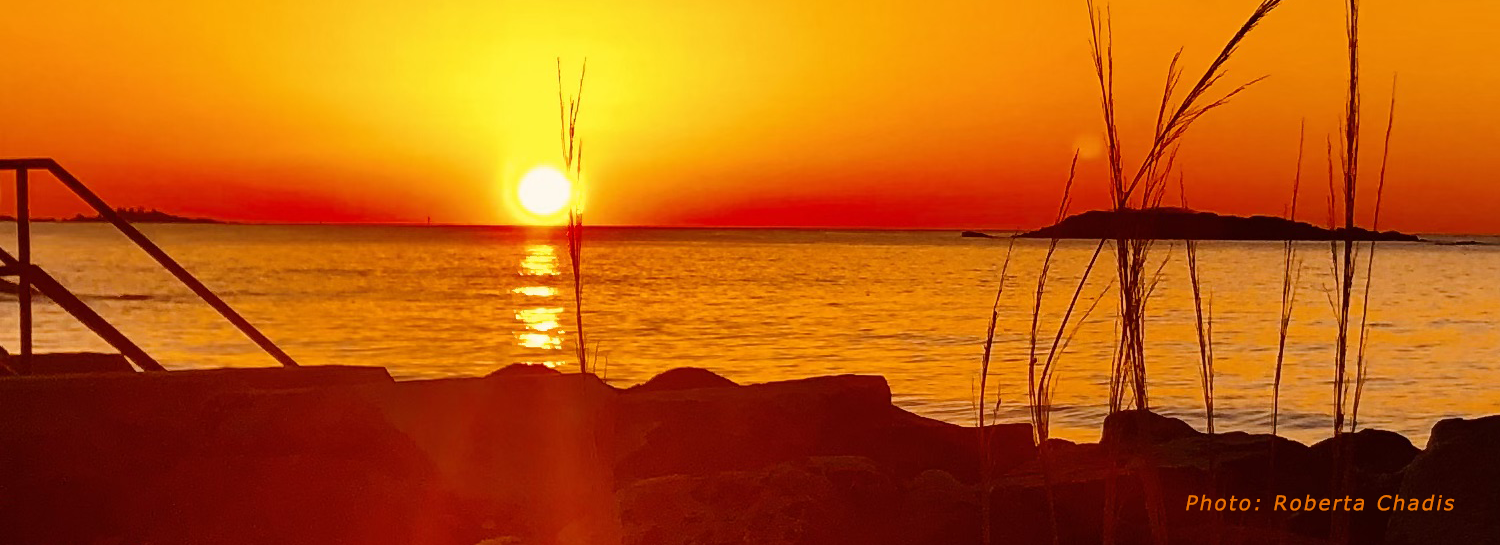
What would your answer be if someone asked you when is the first day of spring? Most of us were taught March 21, mainly because we were also taught to use the 21st for the start of the other seasons: summer (June), fall (September), and winter (December). But a more accurate answer depends on another question, which is, what is the definition of spring?
Astronomical Definition: The spring equinox falls on March 19, 20, and 21 every year at the same moment worldwide, but not at the same time because of time zone differences. For example, spring this year begins in the Northern Hemisphere on March 20 at 11:33 a.m. Eastern Daylight Time and March 20 at 8:33 a.m. Pacific Daylight Time. FYI, due to time zone differences, there isn’t a March 21 equinox on the mainland U.S. during the entire 21st century and we won’t see a March 21 equinox until 2101.
Meteorological Definition: Spring starts March 1 to May 31. Weather scientists divide the year into quarters to make it easier to compare seasonal and monthly statistics from one year to the next.
Celtic Solar Spring Definition: For this definition you will have to come to the Sun Circle on March 20 at 6:45 a.m.
So, whichever definition of spring you choose, enjoy the increase of daylight, warmth, and the rebirth of nature’s gifts.
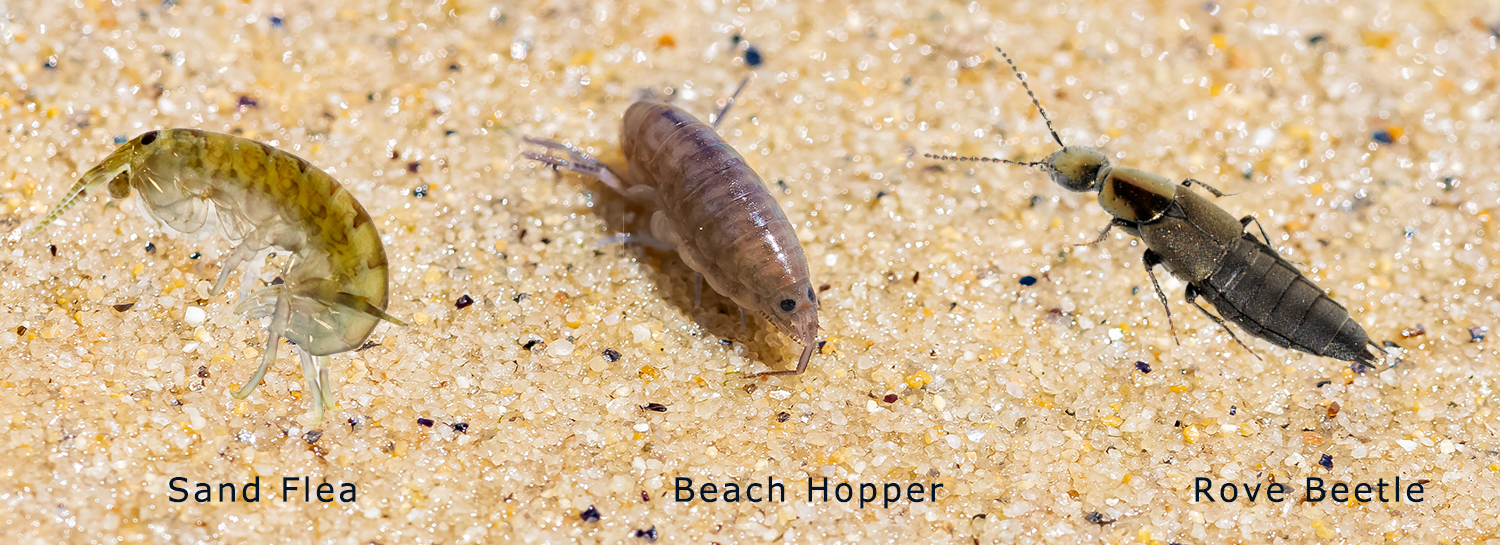
Beach Bugs- One of Nature's Musical GroupsSheryl Levenson
We’ve seen them. We’ve heard them. Sometimes they annoy us and sometimes they join us for meals.
However, what do we really know about these beach bugs that live at our beach?
Sand Fleas: First of all, they aren’t actually fleas or insects. Sand fleas are tiny crustaceans that do bite like a regular flea, which gave them their name. They bury themselves in the sand and their bites can result in itchy skin.
Isopods: Also known as roly polies or pill bugs, isopods are very common around beaches. They are typically associated with the high tide line area where they can be found burrowing in the sand. Beaches are a great environment for them because they need moisture to survive. Isopods are harmless to humans.
Rove Beetles: They are one of the more common beetles around beaches. Rove beetles prefer a moist environment and feed on organisms found in the sand and by the water. The good news is that rove beetles are also harmless to humans.
Kelp Flies: You can find kelp flies on beaches where seaweed, driftwood, and surf grass are present. They use these materials for food and reproduction. Kelp flies are found in groups and are active all year long.
Mosquitoes: Water, especially standing water, is where you will find mosquitoes. We all know we’ve been bitten by a mosquito because their bites inflame your skin and make you want to scratch away the itch.
Beach Hoppers: Believe it or not, these are tiny shrimp and not actually insects. Beach hoppers are also known as sand fleas, sand hoppers, or beach fleas. They appear at night to hop around the beach looking for food. The good news is that beach hoppers do not bite humans. During the day they burrow to escape the heat, and you may see their holes when you walk along the beach.
Blood Worms: These bugs live under the sand and make holes, too. Blood worms are very helpful because they clean the sand by ingesting it and digesting the organic materials found between the grains of sand.
Horse Flies: We know how annoying these insects are! And their bites can be painful. Horse flies are active during warm seasons and thrive on beaches backed by marshland or dune grass.
Monarch Waystation
Alexander FalkCIA Member & Neighbor
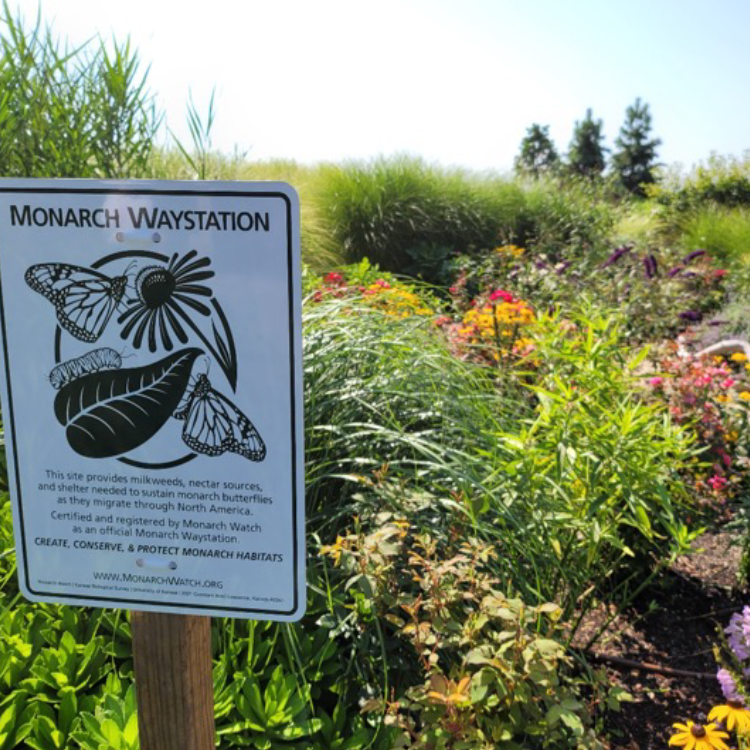
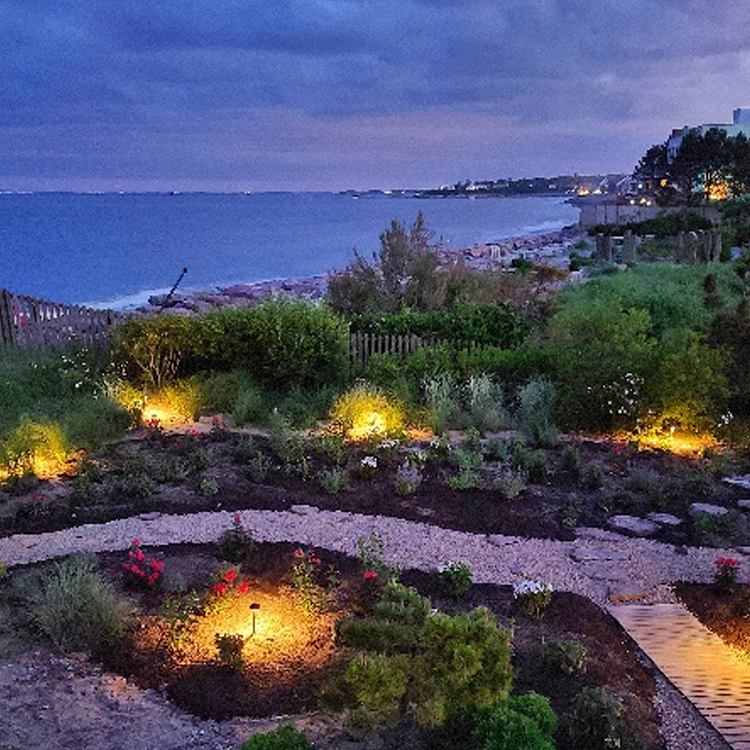
Over the last two years, we have been engaged in transforming the lower half of the landscaping of our property, which directly abuts the CIA Beach Bluff Park, into a little oasis. What used to be a beach volleyball area – while the kids were still high school and living at home – has now been transformed into a dry riverbed landscape that serves as a pollinator habitat and monarch waystation.
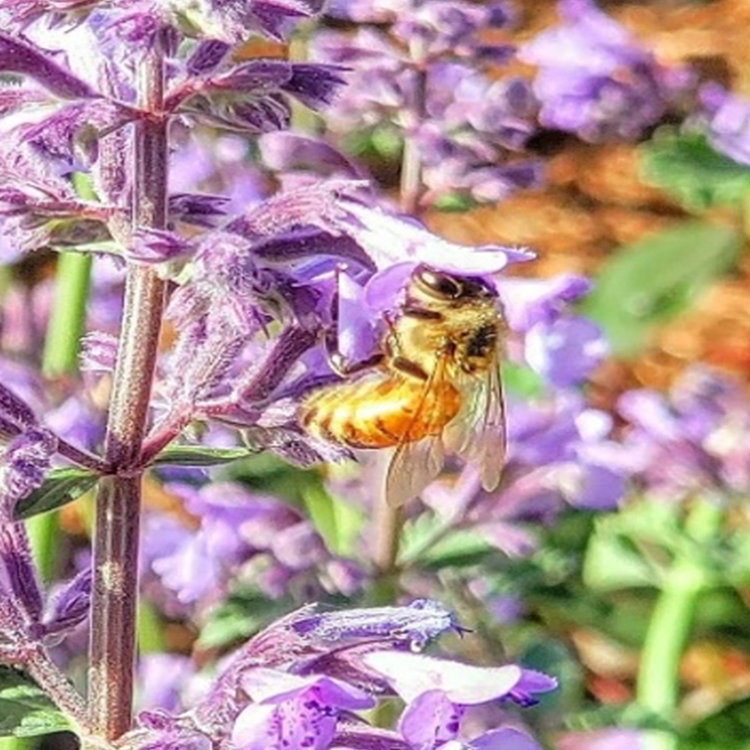
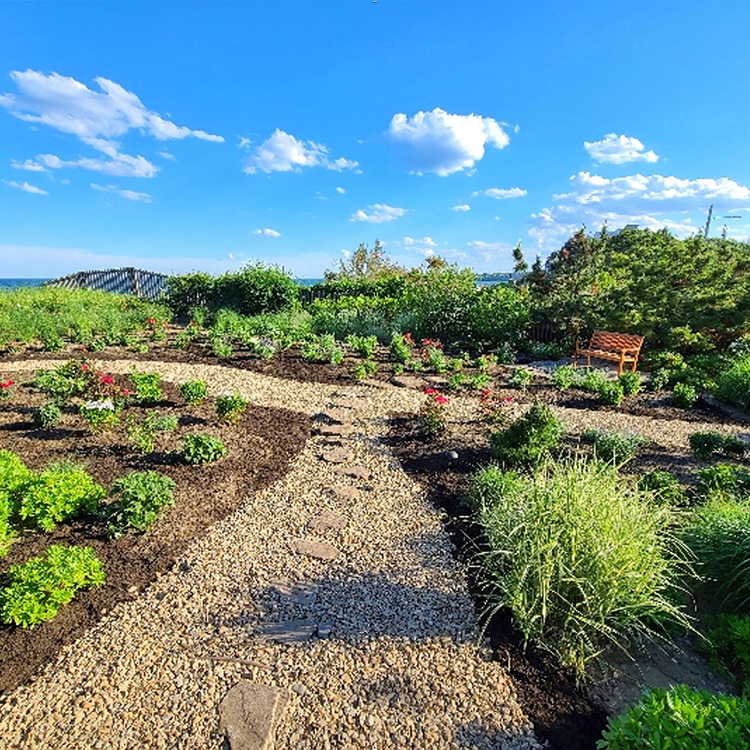
What are pollinators, you may ask, and why are they important?
Pollination is plant reproduction. Pollination is the transfer of a “male” pollen grain to a “female” flower part to allow reproduction to occur. Reproduction, of course, is required for the continuation of a species. While some plants can pollinate themselves without the help of an animal (e.g., wind pollination), science tells us that an incredible number of plants require pollination by an animal (like a bee or other pollinator species). The number of plants that require an “animal source” is greater than 85% of all plant species on Earth. Imagine what our grocery store shelves would look like if there were no pollinators.
“Animal sources” of pollination include some birds, like hummingbirds, and some bats, like the flying fox fruit bats of the tropics. But did you know that even some mammals and reptiles also act as pollinators? Of course, most pollinators are insects. Insect pollinators include bees, butterflies, beetles, ants, wasps, flies, and even the male mosquito.
At the end of the day, however, the two main endangered pollinator species in our neighborhood are bees and butterflies, especially the migratory Monarch butterflies. And their habitats are increasingly diminishing due to improper gardening patterns and massive use of pesticides.It is actually very easy to help restore pollinator habitats by switching to organic gardening principles, allowing for some area of your property to grow a bit more naturally (e.g., no manicured lawn everywhere, but rather some weeds and wildflowers), and planting a few key plants that the pollinators need.
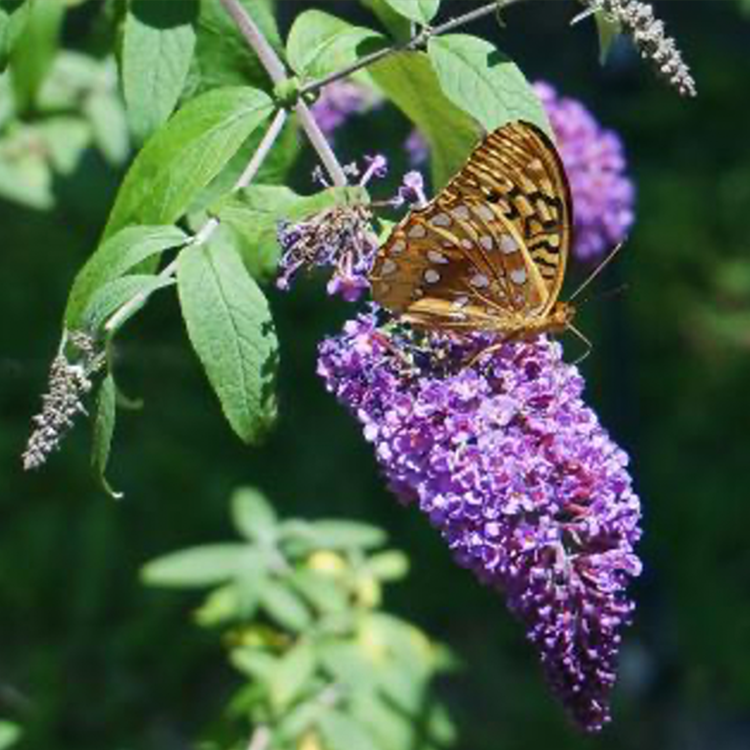
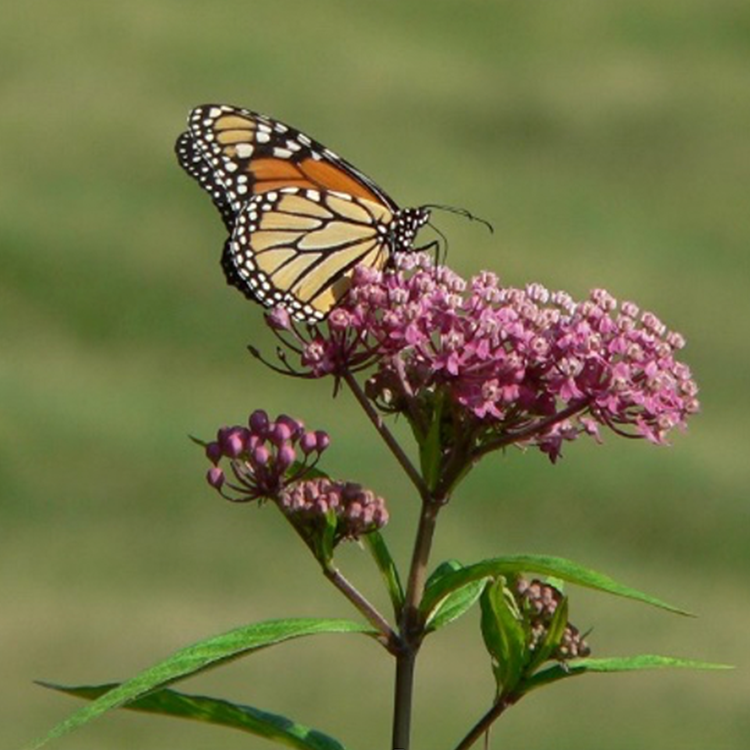
For the Monarch butterflies, these plants are milkweed (left) and the butterfly bush (right):These two plants are very well represented in our little oasis now.
At the end of the landscaping transformation, we registered our backyard as an official Monarch Waystation with the MonarchWatch program: https://www.monarchwatch.org/waystations/.
Finally, last year, we decided to also add two beehives to our property. So, if you occasionally see a honeybee at the CIA Beach Bluff Park, it might be from one of our two hives.
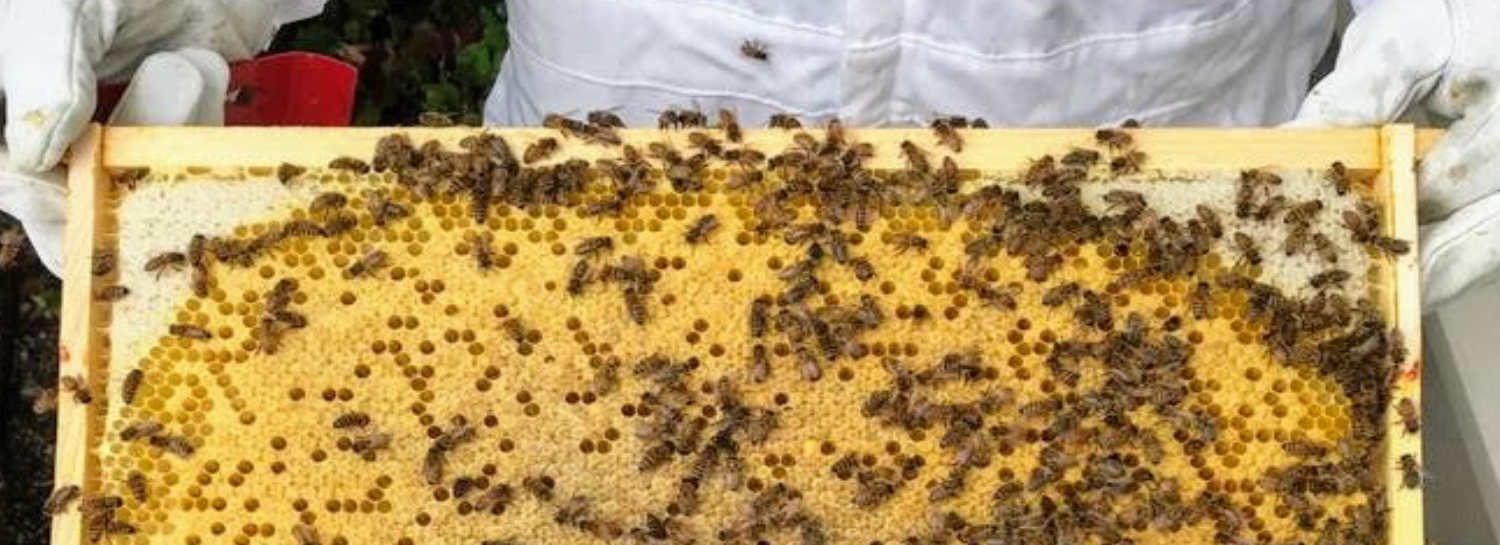
Honeybees are a very peaceful species, so as long as you don’t step on them or scare them in any other way, they will just go about their business and collect nectar for their hive.