

CIA Brief | 2025 Summer
President’s Memo
Charya Peou
Summer is finally here, and we couldn’t be happier to welcome you back! Whether you’re a longtime visitor or new to the area, we’re excited to kick off another season of sun, sand, and community.
Thank you to all those who came to our Opening Day celebration for snacks and great music. Despite the less-than-ideal weather, it was wonderful to see so many familiar faces—and a few new ones.
A Warm Welcome to Our Agents A big shoutout to our new and returning agents in the adjacent lot! Your hard work helps keep our beach community running smoothly. If you haven’t already, stop by to say hello and pick up your parking stickers. They’ll be available every weekend in June, and seven days a week in July and August.
Enjoy the Beach—But Stay Safe At Preston Beach we are dealing with coastal rocky cliffs which erode due to the wave action that beats against the cliffs. The good news is that rocky beaches like Preston are rich in intertidal biodiversity, which you can read more about in the Seaweeds article below. It’s important to remember that nature is unpredictable. The shoreline can be rough, and conditions can change quickly. We can’t control Mother Nature, so please stay cautious and always be aware of your surroundings.
Summer Solstice 2025
James Keating
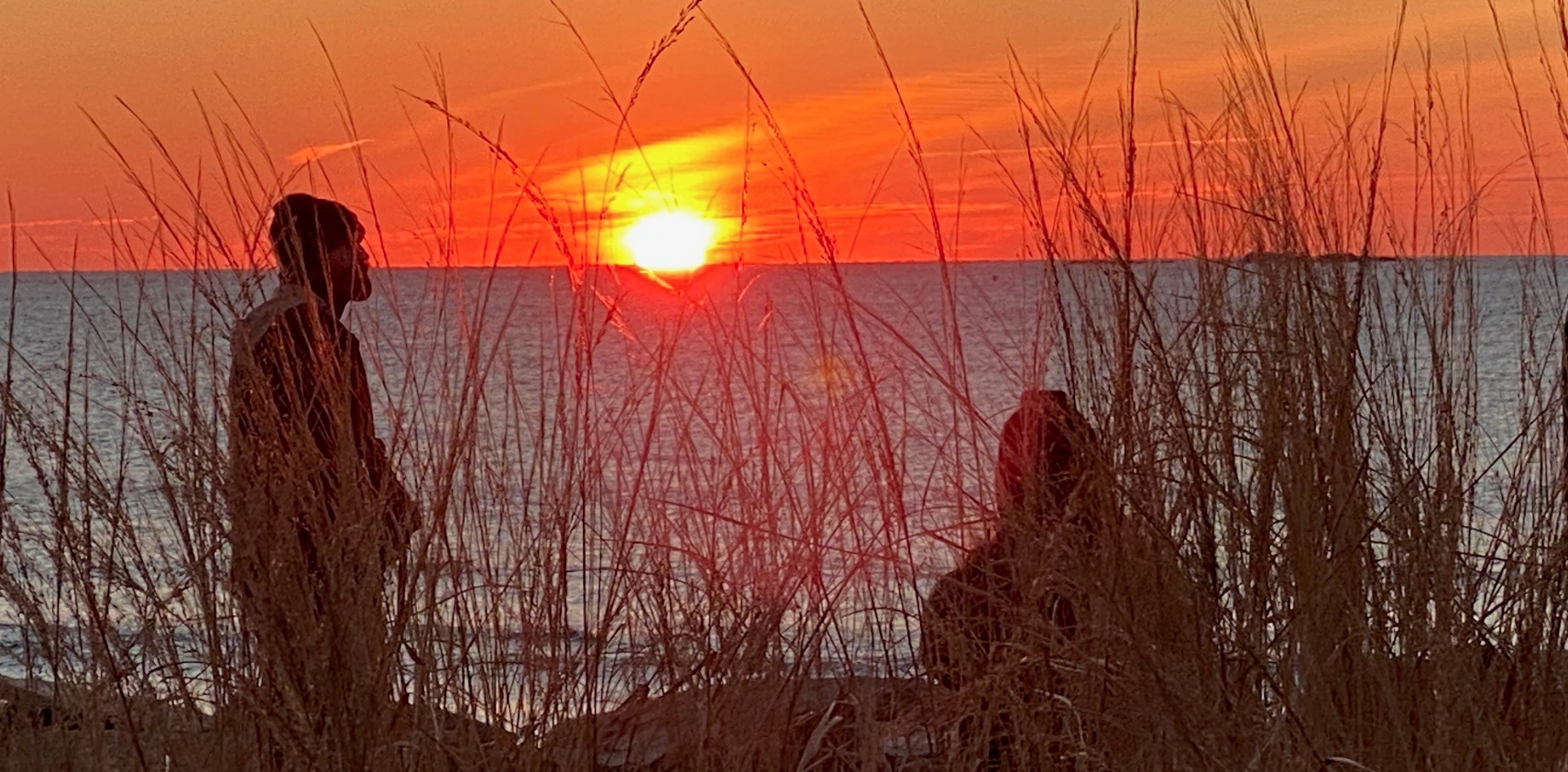
No embellishments: Summer in the Northern Hemisphere begins June 20th at 10:42 p.m. EDT. If you are standing in the Sun Circle, the Sun rises at its leftmost position on the horizon, reaches its highest point at midday, and sets at its rightmost spot on the horizon.
We should all have the empirical knowledge that the Summer Solstice is the longest day of the year and the shortest night. The Sun is above the horizon for 15 hours and 18 minutes at Marblehead’s latitude.
However, there are some nuances with the start of summer.
First: The earliest sunrises occur from June 8-21, all at 5:07 a.m. EDT.
Second:The latest sunsets occur from June 20 to July 2, all at 8:25 p.m. EDT.
Third: The only day the above overlap is June 20, which is the Summer Solstice.
Back at the Spring Equinox, I asked those present at the Sun Circle, “When does Spring start?” My answer was, “It depends on whom you ask.” Now, for the same question, “When does Summer start?” The answer falls into three categories: Meteorologist, Astronomer, and Archaeoastronomer.
Meteorologist: June 1st
Astronomer: When the Sun’s Day Arc is the greatest. June 20, 2025. This changes from year to year due to perturbations caused by gravitation forces.
Archeoastronomer: There is evidence that the Summer Solstice has been culturally important since the Neolithic era. An example of this is Stonehenge in England. Many similar ancient monuments are found all over the world. In the Roman Empire, the date of the Summer Solstice was June 24. In Germanic speaking cultures, the time around the Summer Solstice was called “Midsummer.” The reason for this was that summer started on May Day (May 1). In Northern European cultures, holidays, festivals and rituals were held on the night of June 23-24.
Why is the calculation below true?
If you do a little trigonometry on your cell phone, you find something very interesting.
Stonehenge: 51.2* Latitude North. Azimuth of Sunrise: 50*
Sin= Cos Latitude x Cos Azimuth
Sin= Cos 51.2* Lat N. x Cos 50*
Sin= .6266 x .6427
Sin= .4027
2nd function of Sin of .4027= 23.7*
Sun Circle: 42.5* Latitude North. Azimuth of Sunrise: 56.4*
Sin= Cos 42.5* Lat. N x Cos 56.4*
Sin= .7372 x .5533
Sin= .4080
2nd function of Sin of .4080= 24*
Both angles are the same (within the margin of error), but they are from different places on Earth. Why? If you know why, come and share it with us at the Sun Circle on June 20th, and if you do not know, come and find the answer.
Join us for the Summer Solstice Ceremony led by Lisa Kawski and Kampa Vashi Deva on Friday, June 20th at 5:06 a.m. The location is the Sun Circle in Beach Bluff Park at Preston Beach in Swampscott. Please feel free to use the parking lot across the street to park for this event.
Honoring Our Oceans: A Call for Collective Action
Lynn Nadeau
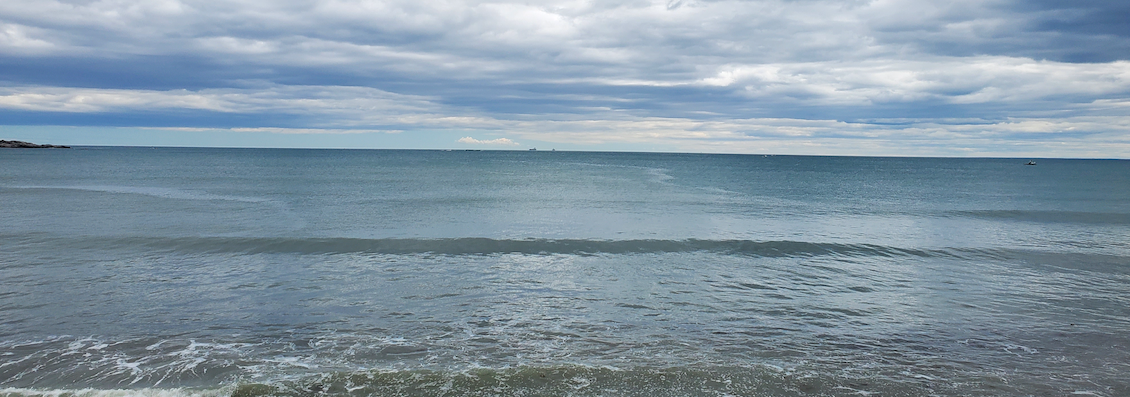
Since the United Nations designated June 8 as World Oceans Day in 2008, this global observance has grown into a powerful reminder of our shared responsibility to protect the oceans that sustain life on Earth. In parallel, the United States celebrates National Ocean Month each June, reflecting a broad range of environmental concerns that echo the goals of the U.N.—from climate action to biodiversity protection.
We all know of the mounting threats to our blue planet—from plastic pollution and overfishing to acidification and sea-level rise. At the heart of these challenges is an unstable climate. As more energy is added to Earth’s systems, it disrupts long-established patterns. Oceans absorb the bulk of this energy, altering familiar currents and reshaping shorelines. These shifts are not abstract—they affect ecosystems, economies, and communities.
Here in our coastal community, the ocean is more than a distant cause—it’s part of our daily lives. I recently spoke with several local CIA members and friends who enjoy the privilege of living near the sea. Their pleasure is tinged by a concern about its future. I asked them what they were going to be doing in World Ocean Month, and they each spoke to me about their own focus.
World Oceans Day and National Ocean Month are not just commemorative—they’re calls to action. Protecting the oceans requires collective effort: responsible policy, scientific research, education, and individual choices that reduce harm and promote sustainability. As we reflect on the beauty and importance of the oceans this June, the CIA is committed to educating, protecting, and advocating for public policy and private action that make a difference.
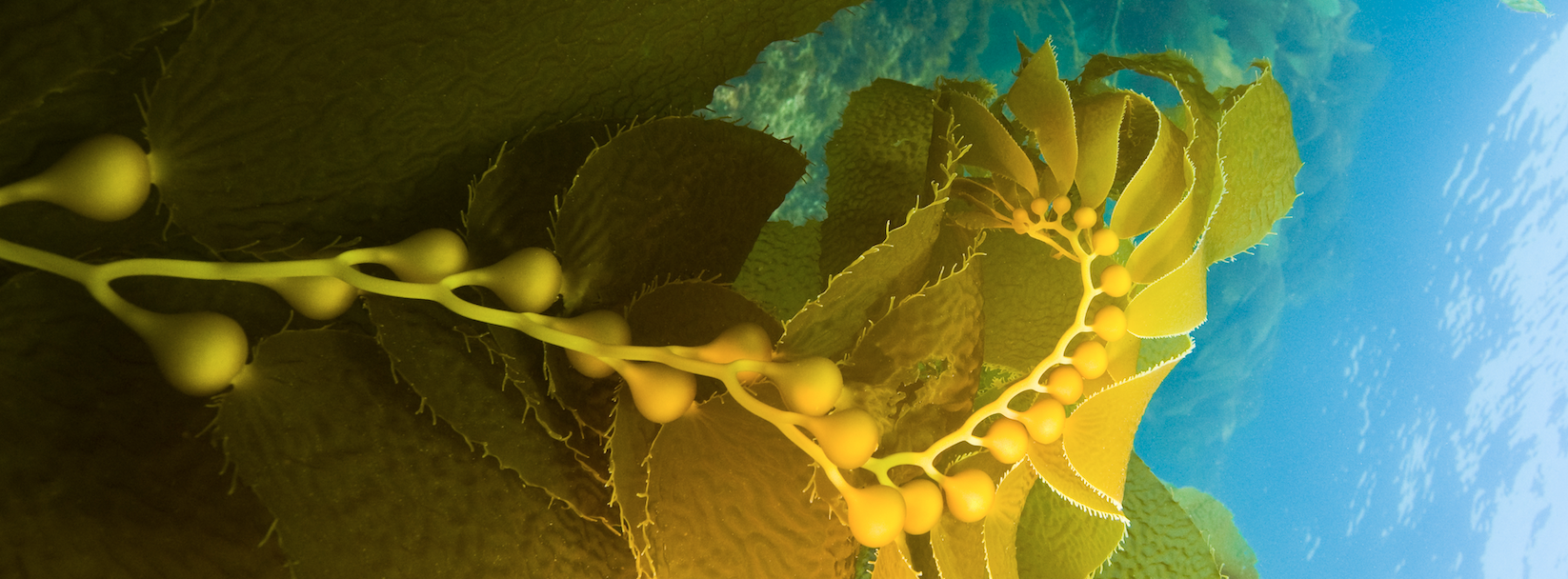
Exploring the Native Seaweeds of Marblehead: A Marine Botanical Adventure
Charya Peou
Marblehead is not only known for its maritime history but also for its unique marine ecosystems. Among the most fascinating are the diverse types of seaweed that thrive in its waters. These plants play a crucial role in the environment, providing habitat and food, and contributing to the overall health of the oceans. We will explore some of the seaweed species native to Marblehead, inviting you on a botanical journey beneath the waves.
1. Rockweed
One of the most common seaweeds found along the north shore coast, Rockweed is easily recognizable by its olive-green color and long, leathery fronds dotted with air bladders. Rockweed thrives in the intertidal zones of Marblehead, where it attaches firmly to rocks. This hardy seaweed is not only vital for marine life but also provides shelter and food for various species. It is also used by humans in agriculture and cosmetics due to its rich nutrient content.
2. Bladderwrack
Bladderwrack is another prevalent species in the Marblehead coastal region. It features forked fronds and small air bladders that help it float. This seaweed is known for its high iodine content and is used in traditional medicine and dietary supplements. Bladderwrack plays a significant role in shoreline stabilization and offers habitat for a variety of organisms.
3. Irish Moss
Often found in the lower intertidal and subtidal zones, Irish Moss is a small, bushy seaweed with a reddish-purple hue. It is known for its carrageenan content, which is used as a thickening agent in food products. Irish Moss is also a valuable resource for the local ecosystem. It provides both food and shelter for small marine species and contributes to the biodiversity of Marblehead's waters.
4. Sea Lettuce
Recognizable by its thin, bright green sheets, Sea Lettuce is a type of green algae that thrives in nutrient-rich waters. It is often found in tide pools and attached to rocks or shellfish. This seaweed is edible and has been used in culinary dishes worldwide. Sea Lettuce serves as a food source for various marine animals, including snails and crustaceans.
5. Sugar Kelp
Sugar Kelp, with its long, brown, ribbon-like fronds, is found in the subtidal zones of Marblehead. Known for its sweet taste, it can be harvested for use in cooking and as a nutritional supplement. Ecologically, Sugar Kelp plays a role in carbon sequestration and provides habitat for fish and invertebrates.
The seaweeds of Marblehead are a testament to the rich biodiversity of the region's marine ecosystems. These species not only play vital ecological roles but also offer economic and nutritional value to humans. As we continue to learn more about these remarkable plants, it is important to promote safe and sustainable practices to preserve their habitats for future generations to observe and enjoy.
Hotel Preston
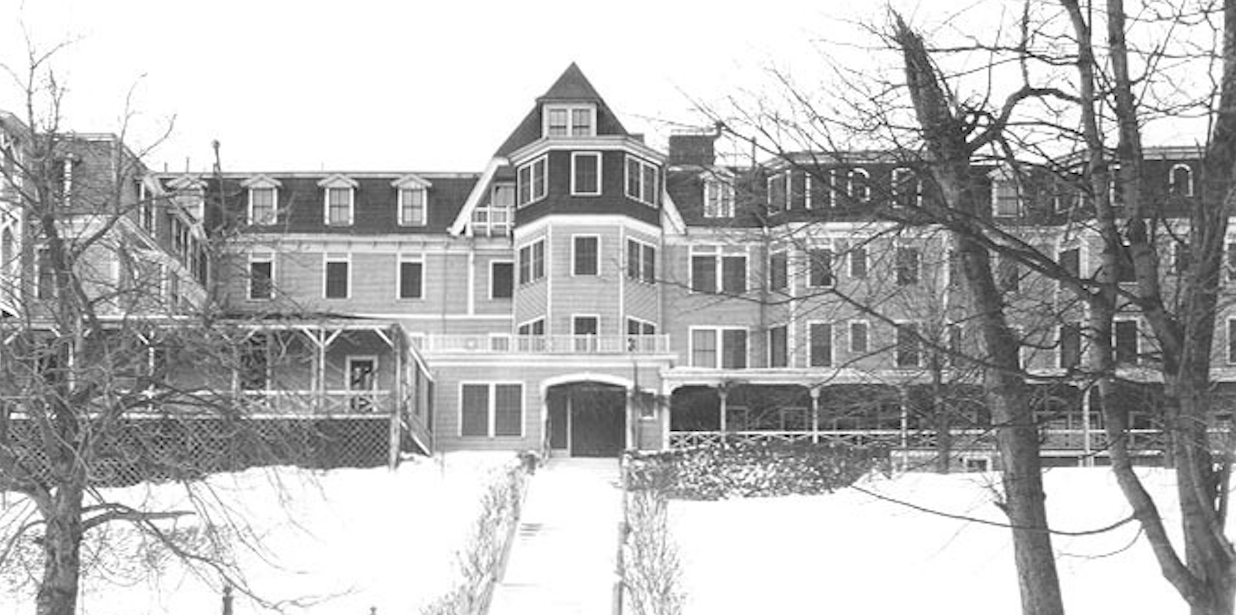
This elegant summer destination, perched high on a bluff near the Marblehead line, was originally built as a private home, the “Preston House,” in 1872. Around 1900, it became a hotel, named after Andrew Preston, a Beverly, MA native born in 1846. Mr. Preston was founder and the first president of the United Fruit Company. His photograph is in this case.
The Hotel Preston was huge for its time: 165 rooms with 50 bathrooms, and it offered first class accommodations. A wide veranda with superb ocean views wrapped around three sides of the building. The dining hall accommodated 300 guests. Additional rooms included the men’s smoking and writing room, a billiard room, barber shop, ladies’ parlor, two reception rooms, a large music hall, and a card room. Golf was offered at the nearby Clifton Golf Club, a 9-hole course running along Atlantic Avenue, just south of what is now Community Road, east of the Hathaway and Alley Farms. The hotel partially burned in 1957 and was razed.
Unbelievably, following the fire, the bluff was entirely removed and carted by barge to Boston where it was used as fill for the Logan Airport runways in Boston Harbor. This left the former hotel property just a few feet above sea level.
In 1960, a more modern and less elegant motor inn called “The Colony” opened. This two-story motel was billed as “New England’s Newest Resort Hotel” at the time, with a “breathtaking view” and “magnificent décor,” offering “the ultimate in luxury living.” It operated year-round. About five years after its opening, a name change occurred following a bankruptcy and rumors that hotel management and marketing people determined that the name “Colony” evoked a “clothing optional” environment. Evidence of that abrupt name change remains today, with the plethora of available bars of hotel soap with “The Colony” to be found online by local history buffs.
Now built at sea level, the oceanfront rooms of this property with their magnificent close-up view of the Atlantic Ocean were routinely washed away in storms. After each storm, it seems, the name was changed to one of several iterations, in no particular order: “Preston Beach Motor Hotel,” “Preston Beach Motor Inn,” “Preston Beach Inn,” “Preston Beach Motel”... one loses track. It was damaged and rebuilt many times. The final assault arrived with “The Blizzard of ’78,” bringing sea water rushing in through the ground-level windows and out the other side, carrying all of those 1960s furnishings along to float among the breakers.
Less than a year earlier, on October 10, 1977, the nearby servant’s quarters of the former Preston Beach Hotel, a Swampscott landmark, had been destroyed by fire.
After these challenges, the hotel management decided not to rebuild, and the remaining structures were razed.
The property is now occupied by an oceanfront series of gray duplex homes.
Courtesy of Swampscott Historical Commission
Note: The gray duplex homes are now known as Preston Court.
What We Do and How We Do It
Sheryl Levenson
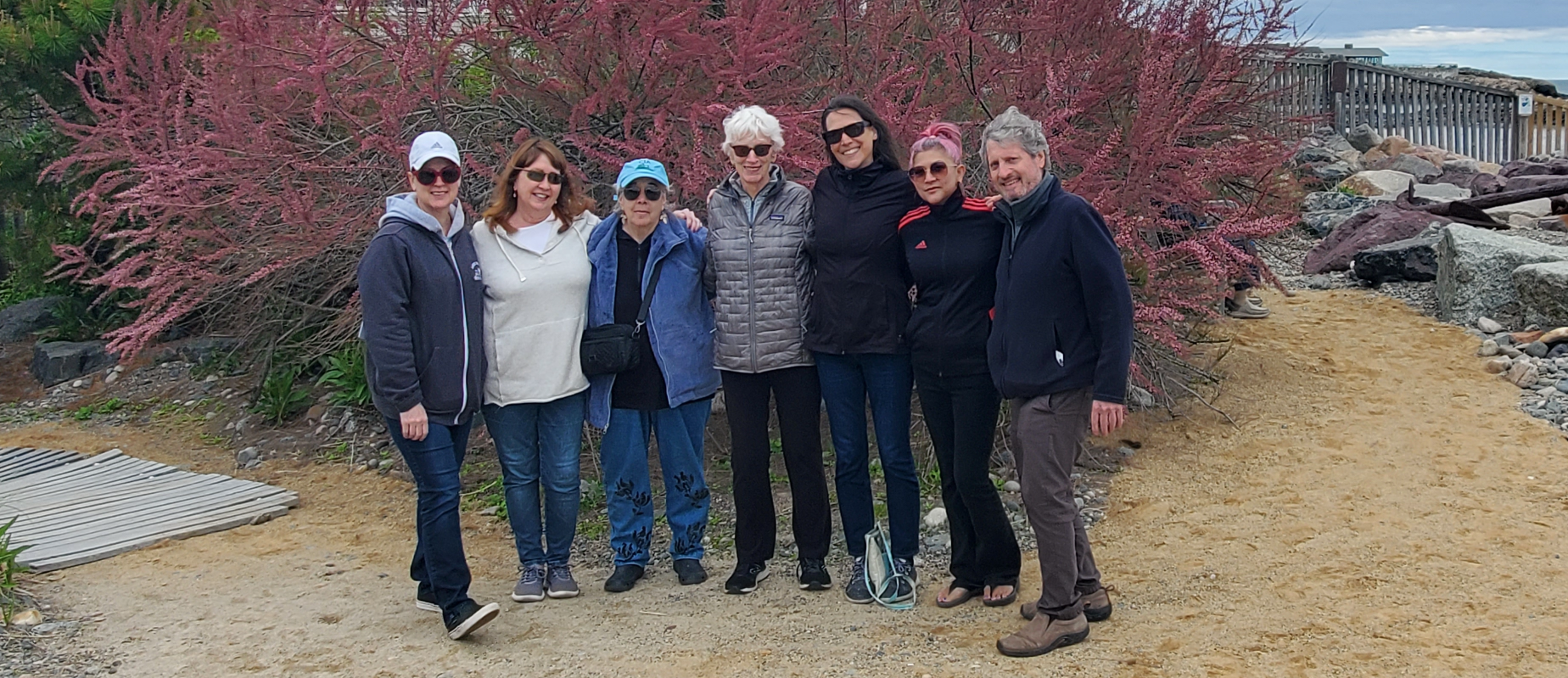
The CIA Board thought it would be helpful for our valued members how we maintain our beautiful Beach Bluff Park and parking lot and the organization.
We have multiple committees:
Summer Operations: This committee deals with the day-to-day operations in our parking lot, as well as interviewing, hiring, and training our wonderful agents. They work together with the Education Committee to create Memorial Day and Labor Day activities.
Park Committee: This committee maintains the park and the parking lot. This entails maintaining the landscaping, sun circle, and boardwalk, in addition to repairing damage after a storm and our seawall that protects our park and Atlantic Avenue.
Nominating Committee: This committee screens potential board members and officers and prepares the slate for the annual meeting. The committee also creates criteria for potential board members as well as current board members.
Membership Committee: This committee interfaces with our members, maintains the membership list, responds to questions, and creates membership drives.
Fundraising: This committee conducts research, planning, and implementation of all fundraising activities.
Fees: This committee creates policies regarding charges for use of the park and parking lot and presents to the board for voting. It also processes membership donations and planks.
Finance: This committee deals with all financial matters and strives to keep the CIA financially sound.
Education, PR, and Communication: This committee creates educational programs and a newsletter for our members. We interface with the public and the press. We work with our members to determine programs and find out member interests.
Volunteer: This committee works with members interested in volunteering to match them with the right people and projects.