

CIA Brief | 2023 Spring

President’s Memo
Kelly Upham
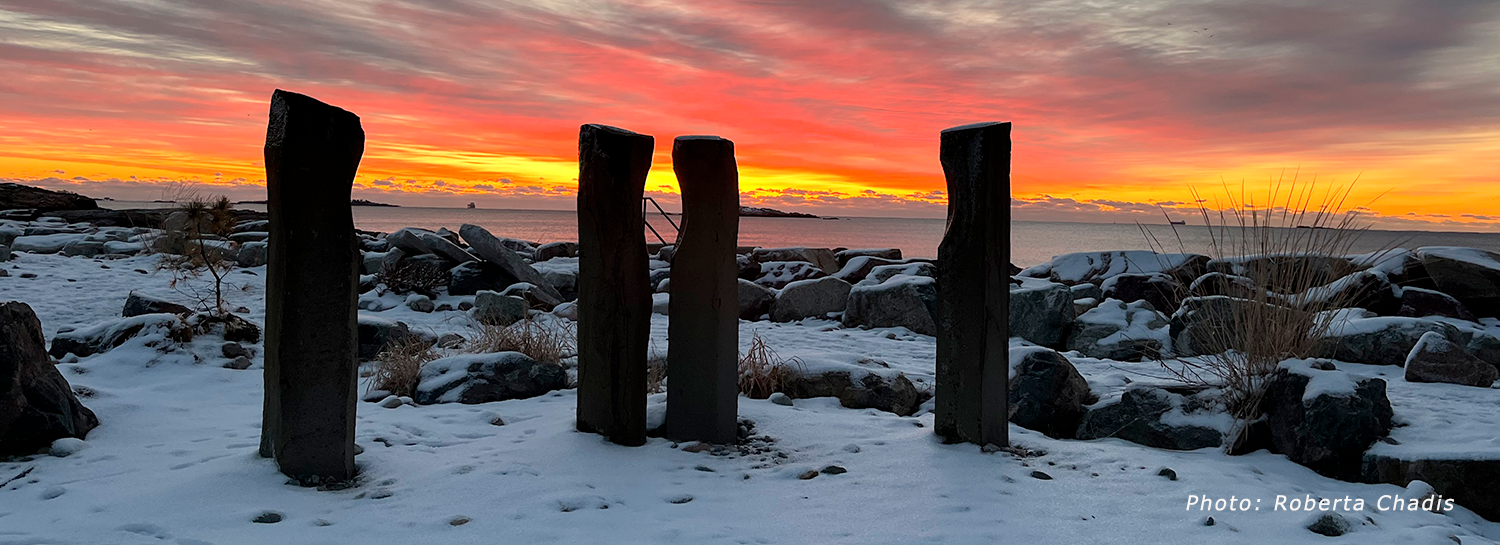
The year 2023 started out pleasantly uneventful in Beach Bluff Park after it took a beating during the storm in December 2022 that washed through the park. That single weather event toppled our granite pillars at the top of the stairs, filled the park with quite a bit of rubble, and flooded Atlantic Avenue. Although we already did a bit of cleanup to make it passable and safe, we will complete the major repairs as the weather warms up. Please use caution until then.
In addition to park cleanup, this time of year we start preparing to open the parking lot, hire summer agents, vote on our slate of Board of Directors, and welcome your membership renewals. None of this would be possible without you!
We will notify you by email with a link to renew your membership, which otherwise expires on March 31st. We encourage you to renew via PayPal (at no additional cost to you) to help us reduce the time-intensive processing of checks.
Please enjoy this newsletter as we all look forward to the light and sunshine that springtime brings!
In Memory of Paul Levenson - A Tribute
Roberta Chadis
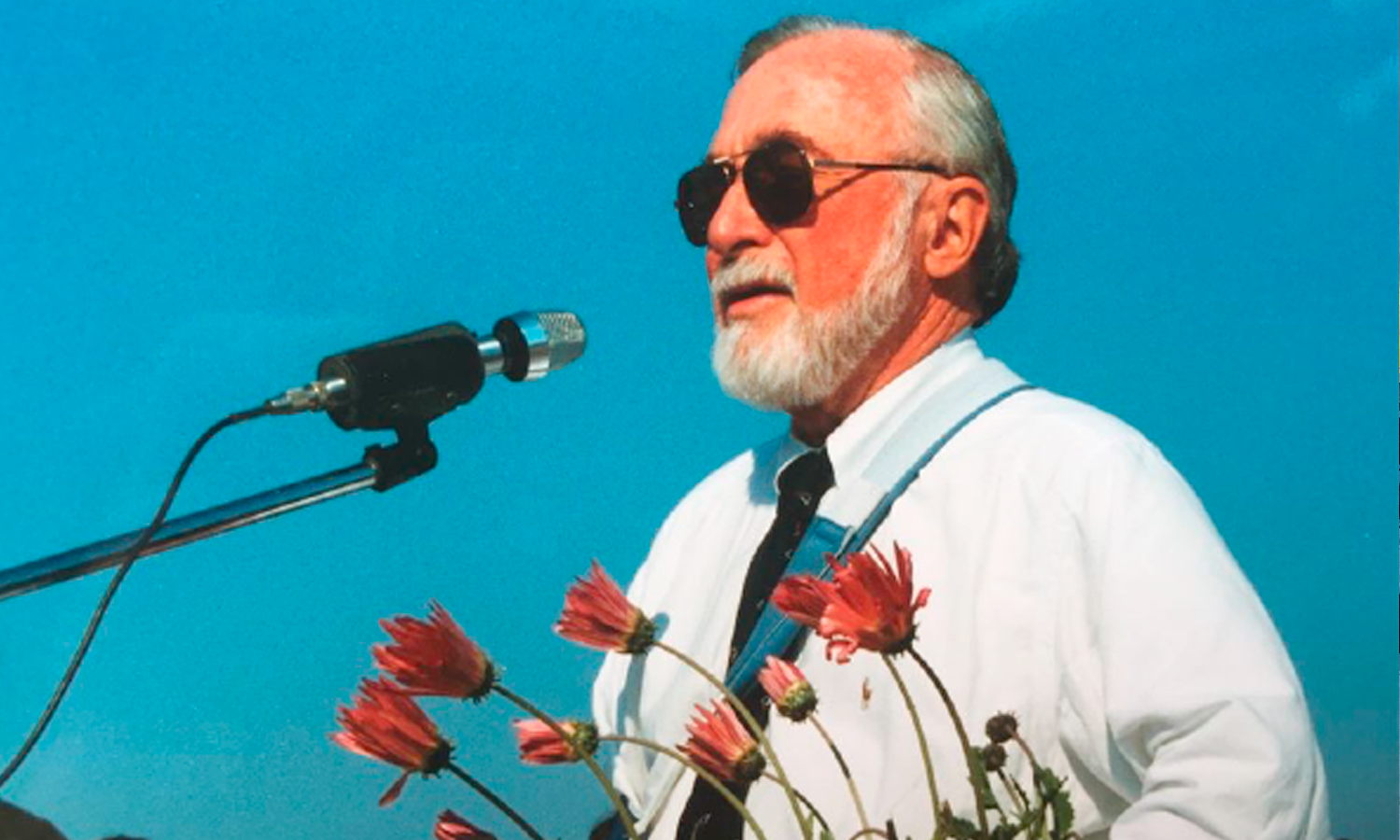
Photo: 1999 Dedication Ceremony – Swampscott Selectman Paul Levenson
Paul Levenson died peacefully at the age of 92 on December 18, 2022. He lived a long and full life, practicing law for 65 years, a career he loved. Paul was a true friend of the Clifton Improvement Association (CIA) since its inception, and his contributions to the organization are still felt today.
It was over 30 years ago that Sheryl and Paul Levenson helped secure 501(c)(3) non-profit status for the fledgling Clifton Improvement Association. For many years, Paul and Sheryl together devoted much of their time to the CIA and protecting the environment. Paul provided a great deal of pro bono legal work for the CIA, and he was instrumental in helping the CIA acquire the property now known as Beach Bluff Park. When asked to make public remarks on any occasion, they were always insightful, thoughtful, and wise. In his later years, Paul supported his wife Sheryl in her continued dedication to all CIA activities over the years, which she continues to this day.
Paul’s commitment to the North Shore and greater Boston community is reflected in the many roles, causes, and organizations he contributed to over the decades, in addition to his work with the CIA. Paul was elected Chairman of the Board of Selectmen in Swampscott from 1995 to 2004 and received the Swampscott's Distinguished Citizen Award in May 2000. In addition to serving as a Selectman in Swampscott, Levenson was a member of the Town of Swampscott’s Conservation Commission. As Chairman of the Conservation Commission, he made it possible for the Town of Swampscott to acquire the land now known as Harold A. King Forest. He was active in Swampscott government serving as a Town Meeting Member for over 50 years. From 1955-57 he was on active duty for the U.S. Army.
Paul received his B.A. cum laude from Brandeis University and was a member of the first graduating class in 1952. He also earned a J.D. from Yale Law School in 1955 and received an Honorary Doctorate from Brandeis University in 1987. He was the first Brandeis graduate to attend law school. He joined the Brandeis Board of Trustees in 1969 and became a trustee emeritus in 1995. He also served on the Board of Trustees of the New England Conservatory of Music and Marian Court College. He was a special assistant to the Governor of Massachusetts from 1963-65 and a special assistant to the Massachusetts Attorney General from 1966-71 and 1976-77. He was on the special council of the Massachusetts Executive Office of Public Safety from 1971-75.
Paul enjoyed ocean kayaking, gardening, building ship models, music, and spending time with his many dogs.
He will be missed.
Here are some personal comments about Paul Levenson from Board members:
“Paul was truly a gentle-man, kind in judgments and generous with his time. His eloquence and wise advice, along with the energy of his love, Sheryl, created the strong CIA we have today.” - Lynn Nadeau
“He was indeed a fine man. He will be dearly missed.” - Bruce Greenwald
“I never met him, but could see how well he was loved by the way Sheryl spoke about him.” - Krissy Sgambellone
“Whenever I was with Paul, we had the most interesting conversations and I always learned something new. I will never forget Paul’s dry sense of humor and the sound of his voice.” - Roberta Chadis

What Do You Know About Sand?
Sheryl Levenson
We walk in it, we sit in it, we throw it on ice, we use it in art and construction. Some of us used to play in a sand box. Cats love it. We protect our homes with bags filled with it. We use it for so many things. But what do we know about it?
Beach sand comes from millions of years of eroding and weathering of rocks, as well as pieces of shelled animals and coral that are left on the coast by the waves. So contrary to what we might have thought, not all rocks are equal when it comes to strength and durability. In time, rain, ice, wind, heat, cold and even plants and animals break rock into smaller pieces. Rocks that were once large boulders are eventually broken down into smaller rocks, and eventually, these rocks become tiny particles of sand, which are called grains. The size of each grain falls into the range of 0.0625-2 millimeters, somewhere between silt and gravel.
The most common color of beach sand is light brown. It comes from the iron staining in quartz and iron oxide in Feldspar. Black sand found on some beaches is formed by the eroded basalt-lava from the volcanoes. It is also sometimes red. The green color of some beaches is from an olive-green mineral called olivine, which can be found in basalt in some parts of the world. White sand gets its color from pulverized pieces of dead coral. Coral skeleton is made of calcium carbonate, which is what makes it white.
Where does desert sand come from? The sand was washed in by streams and rivers in distant and less arid times, usually before it became a desert. Once an area becomes waterless, there is no vegetation or water to hold the soil down. Wind takes over and finished the job, turning the finer particles of clay and dried organic matter into sand. These grains are much finer and smoother than other types of sand and cannot be used in construction.
It is sometimes said that beaches are like fingerprints; they might appear similar from the outside, but when you take a closer look, every beach is unlike any other beach in the world.
The next time you are enjoying your day at the beach, close your eyes and feel the sand under your feet with a new appreciation of its journey to Preston Beach.
Beauty and the Beach
Clifton Improvement Association Prepares for Summer Fun
Krissy Sgambellone
As we wrap up the winter and begin to prepare for sunshine, sand, and swimming, the Clifton Improvement Association community has been working behind the scenes to prepare Beach Bluff Park and Preston Beach for another great summer season.
While the winter to date has been relatively mild, it still packed a couple of good punches, necessitating the usual seasonal maintenance efforts and moving things back into place. A lot of love, time, and energy is put into opening and maintaining the park each year, and we are thankful for an amazing team of volunteers who dedicate their time and expertise.
Here’s a quick look at what the team will be preparing and overseeing between now and Memorial Day:
Arguably the most notable maintenance that the CIA completes on an ongoing basis is to the seawall. This year was no exception. After the wall was assessed in February, some remedial repairs were recommended to prevent further erosion. We are working with local contractors to complete these repairs.
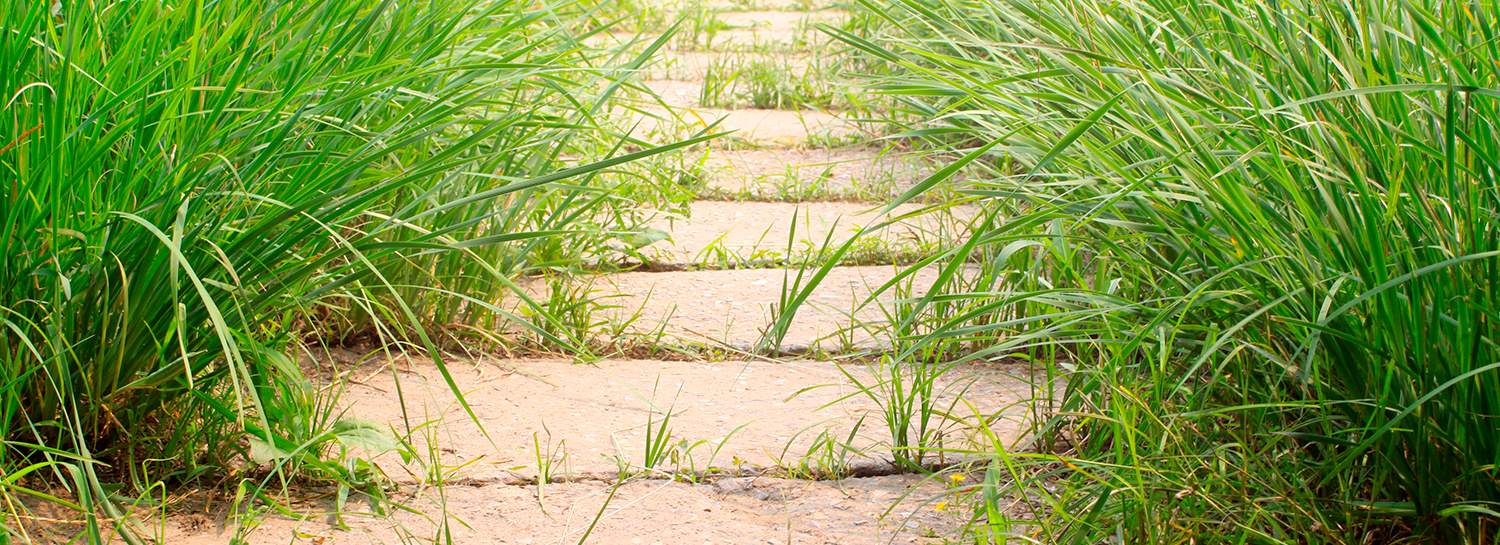
We also coordinate ongoing maintenance of Beach Bluff Park. We return items that the weather displaces to their intended locations, including pillars and benches, and remove items that Mother Nature has left behind, such as large rocks and other items tossed up by the sea. The personalized planks are also returned to create pathways around the park that lead to the stairs going down to Preston Beach.
Let’s not forget the parking lot! Many improvements were made to the lot last spring, including a new fence and additional landscaping to complement it, and we closed out the calendar year with tree trimming and debris removal. This spring we will wrap up these improvements and then begin preparation for the summer season, which includes the restoration of utilities, delivery of the seasonal restrooms, and the hiring of our agents who handle the daily operations of the lot.
Be on the lookout for the CIA’s next Sea Weed party, a seasonal effort to clean up the landscaping of the park. We will set a date once we are more confident that the winter has ended, and we will invite the entire community to participate. We will ask for volunteers to help pull some weeds and pick up some trash, which also gives us a chance to meet and get to know each other.
Vernal Equinox - March 20, 2023 - First Day of Spring
Roberta Chadis
Join us at the Sun Circle on Beach Bluff Park at Preston Beach in Swampscott to celebrate the Vernal Equinox at sunrise, 6:47 a.m., on Monday, March 20. The ceremony will be led by Lisa Kawski and Kampa VaShi Deva.
Here are some interesting facts about the Vernal Equinox:
TRUE - On March 20, 2023, the length of day and night are almost the same worldwide.
TRUE - The March Equinox is also called the Vernal or Spring Equinox in the Northern Hemisphere. The name “equinox” is taken from the Latin words aequus, meaning equal, and nox, meaning night.
FALSE - The Vernal Equinox is the same day every year. Facts: The equinox occurs at a specific moment in time when the Sun crosses the celestial equator, the imaginary line in the sky above the equator from south to north. Therefore, the March Equinox can take place on the 19th, 20th, or 21st.
FALSE - The Vernal Equinox is the only day you can perfectly balance an egg on its end. Fact: You can balance an egg on its end any day of the year. Try it for yourself.
Avian Flu Update
Sheryl Levenson
Two years ago we started to see birds in the area testing positive for avian flu (HPAI). Sea birds mostly have been affected, but you will also find land birds with avian flu near bodies of water such as ponds. Unfortunately, there’s been a recent uptick with the disease in isolated areas. All precautions should be taken when dealing with an ill or injured bird. If you come across a bird in distress, please call a local rehabber, found at mass.gov, or call Tufts Wildlife Clinic (508-839-7918) for assistance.
Tide-ings From the Park and Beach
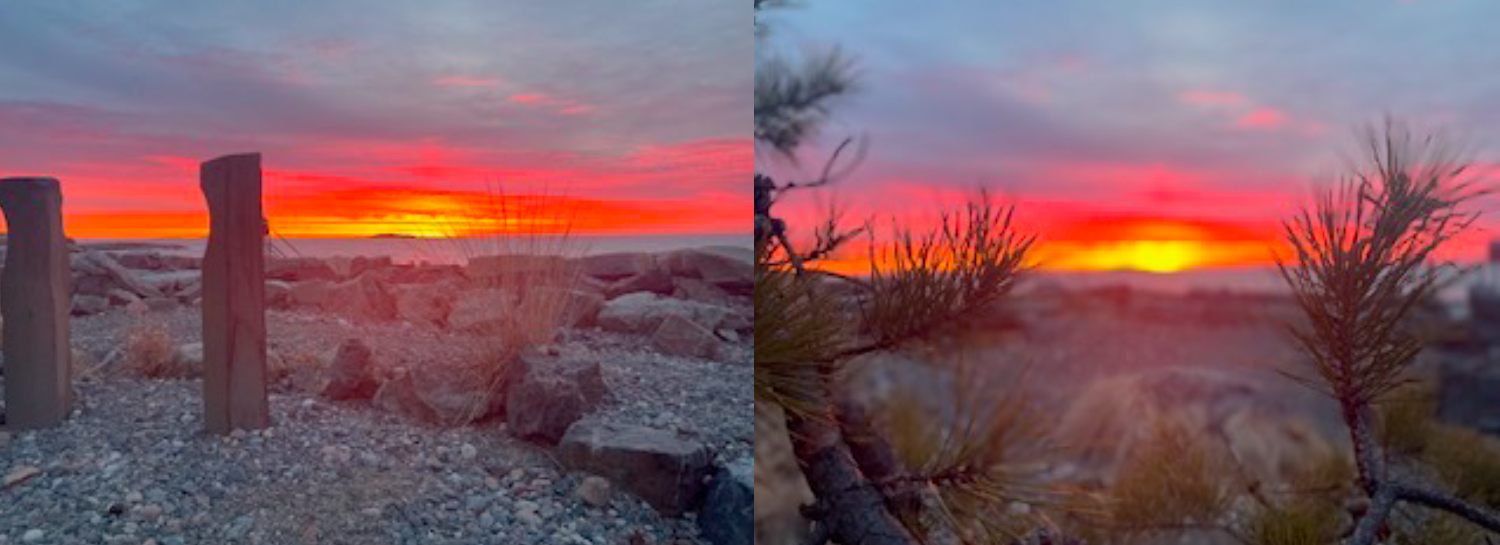
“Thank you, Clifton Improvement Association, for the ability to watch this amazing sunrise from the park! What a wonderful way to start the day! Love and light on this beautiful morning from Preston Beach.” - Photos and comments submitted by Marzie Galazka
Why do YOU love our park and beach? Send your “tide-ings” of joy for all things CIA to vicepresident@ciabeachbluff.org. Space permitting, we’ll consider including your photos and comments in our next newsletter and/or on social media.